

Starting from Malaysia, ENI Moves Deeper into Southeast Asia’s Blockchain Market
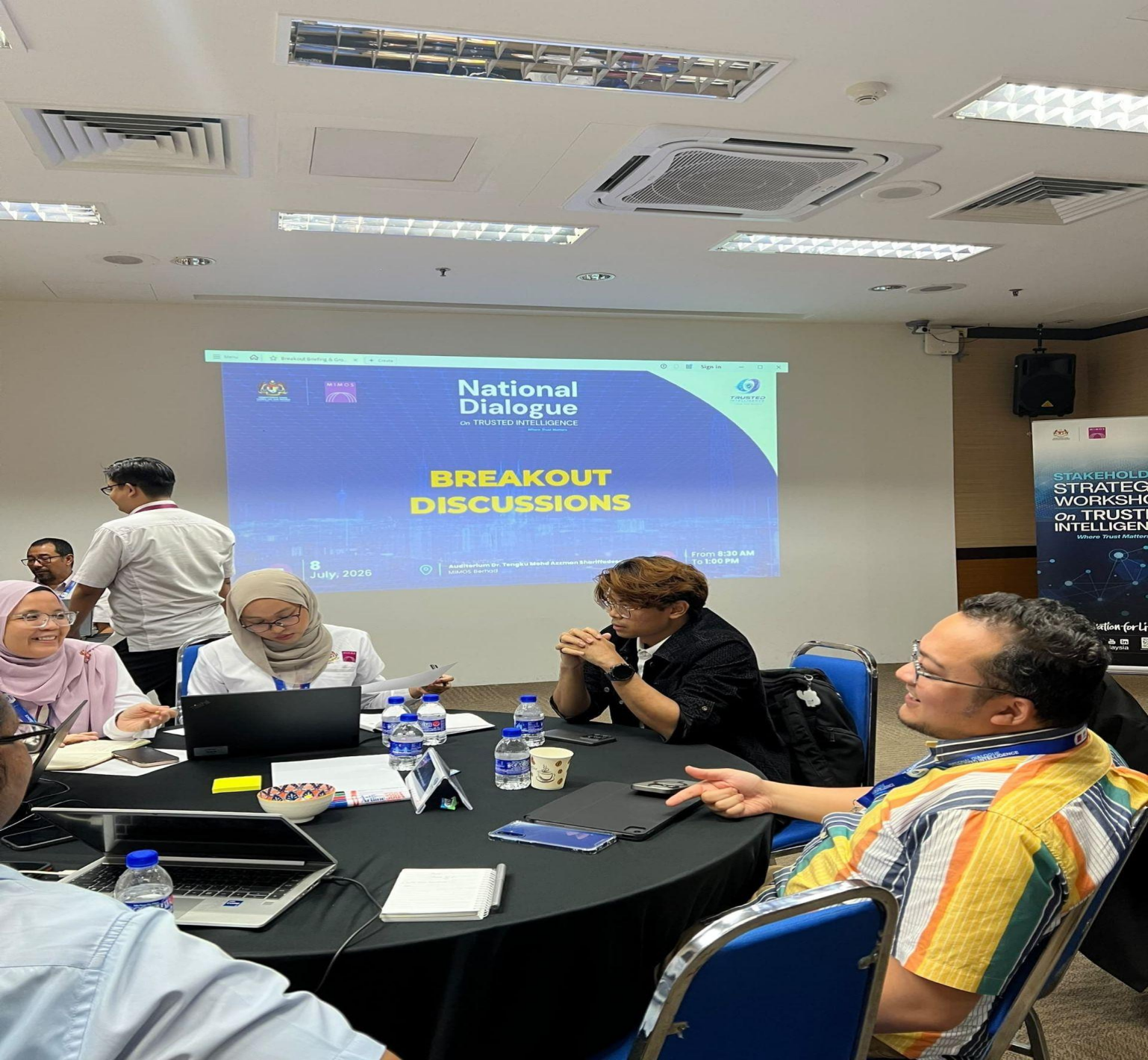
Southeast Asia’s digital economy continues to gain momentum, yet the market still lacks enterprise grade blockchain solutions. ENI is seizing this opportunity and positioning Malaysia as a key market for its next stage of growth. ENI representatives participated in the “National Dialogue on Trusted Intelligence” hosted by MIMOS Berhad, where they exchanged views with representatives from Malaysia’s innovation, regulatory, industrial and technology ecosystems. This marks an important first step for ENI in the Southeast Asian market.
Malaysia Blockchain Infrastructure is a key infrastructure initiative supporting Malaysia’s national blockchain roadmap. It aims to build a unified, neutral and trusted blockchain foundation, providing a clearer cooperation framework for the local Web3 ecosystem.
The event showed rising local interest in trusted intelligence, digital infrastructure, data governance and industrial applications. By joining these discussions, ENI can better understand Malaysia’s policy environment, industry needs and cooperation pathways. For blockchain infrastructure projects, technical capability is only the first step. The real key to adoption lies in entering real industry scenarios, understanding local regulatory context and building long term cooperation with public sector and enterprise ecosystems.
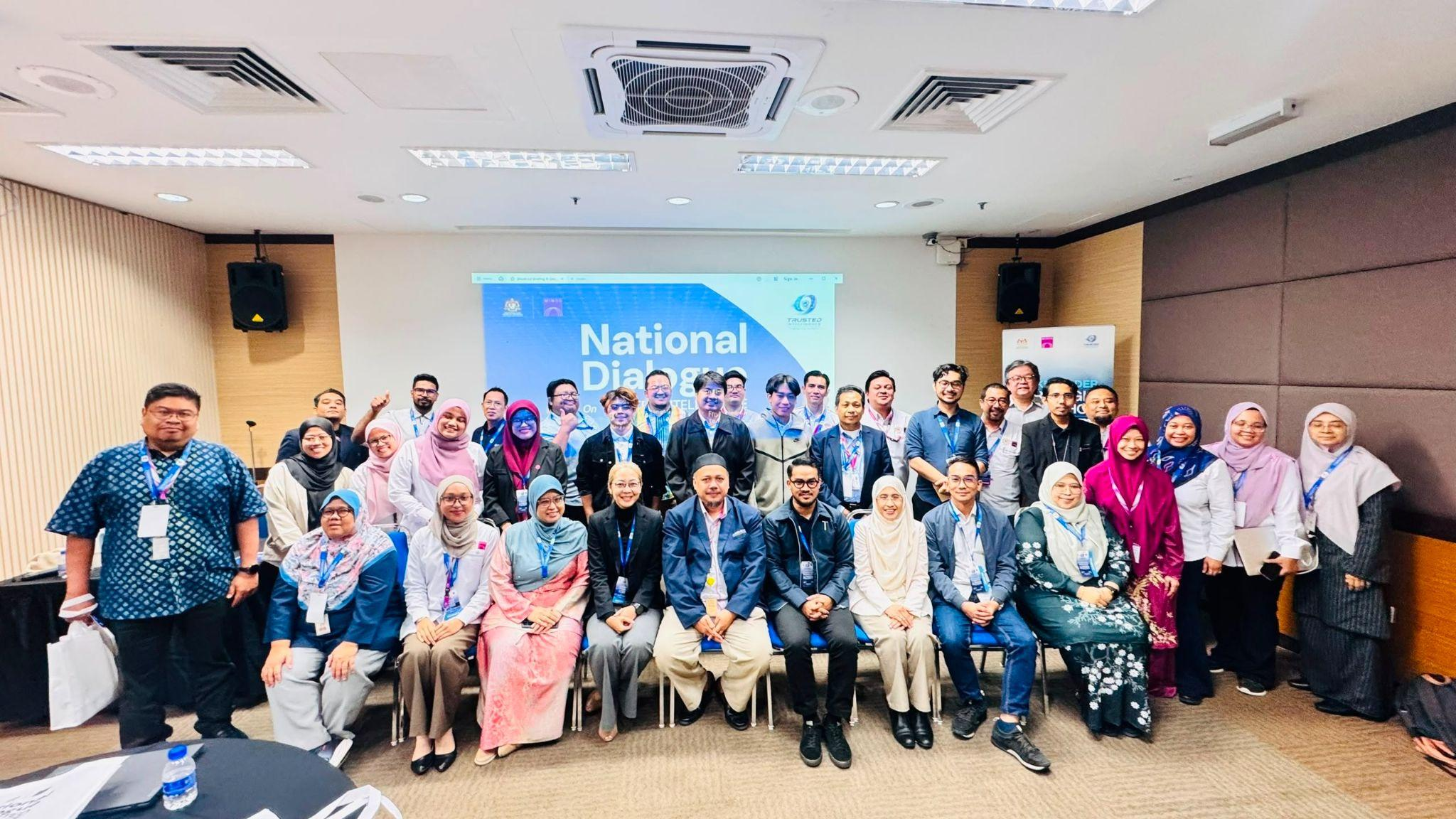
Technology Enters the Field, ENI Architecture Responds to Real Business Needs
ENI Network is positioned as an enterprise grade, high performance and modular Layer 1 blockchain architecture, with a focus on high concurrency transactions, cross chain collaboration, privacy protection, enterprise compliance and AppChain deployment. Around the scenarios highlighted by Malaysia Blockchain Infrastructure, including cross border trade, fintech and smart escrow logistics, ENI can provide flexible support through its Hub and AppChain architecture. It can connect logistics, customs, credentials and settlement processes, while supporting cross border QR payment networks such as DuitNow, QRIS and PayNow, as well as Islamic finance and public welfare scenarios such as Waqf and Zakat.
In terms of application paths, ENI emphasizes choosing the right infrastructure model based on business needs. Small and medium sized enterprises can use ENI Hub’s shared infrastructure to access Web3 quickly, while large enterprises, financial institutions, multinational groups and RWA projects can deploy independent AppChains to gain higher performance, stronger autonomy and more flexible governance. At the same time, ENI reduces multi chain fragmentation through its unified mainnet, HubChain, cross chain communication mechanisms and governance framework. This improves risk isolation, settlement certainty and long term stability, providing a more flexible technical foundation for Malaysia’s cross border commerce, border logistics and local compliance ecosystem.
Across Southeast Asia, ENI Builds a Localized Ecosystem Network
This engagement with Malaysia’s local ecosystem is an important step in ENI’s Southeast Asia strategy. Beyond Malaysia, ENI has also made clear progress in Indonesia. Indivara Group has officially become an ENI Super Node and joined ENI’s Top 100 Institutions Program. As one of ASEAN’s leading technology investment holding groups, Indivara Group operates across Indonesia, the Philippines and Singapore, with a long term focus on enterprise software, digital banking, payment services and digital infrastructure solutions. The two parties will continue to deepen cooperation in ecosystem coordination, enterprise technology and blockchain commercialization.
At the same time, ENI is maintaining communication with different resource partners in Thailand, while also engaging ICT companies, banks and related industry partners in Vietnam. Around payments, enterprise services, supply chains, fintech and local compliance ecosystems, ENI’s Southeast Asia expansion is entering a more concrete and practical stage. In the next phase, ENI will continue advancing technical alignment, test access, node deployment and application scenario validation with Malaysia Blockchain Infrastructure and related ecosystems.
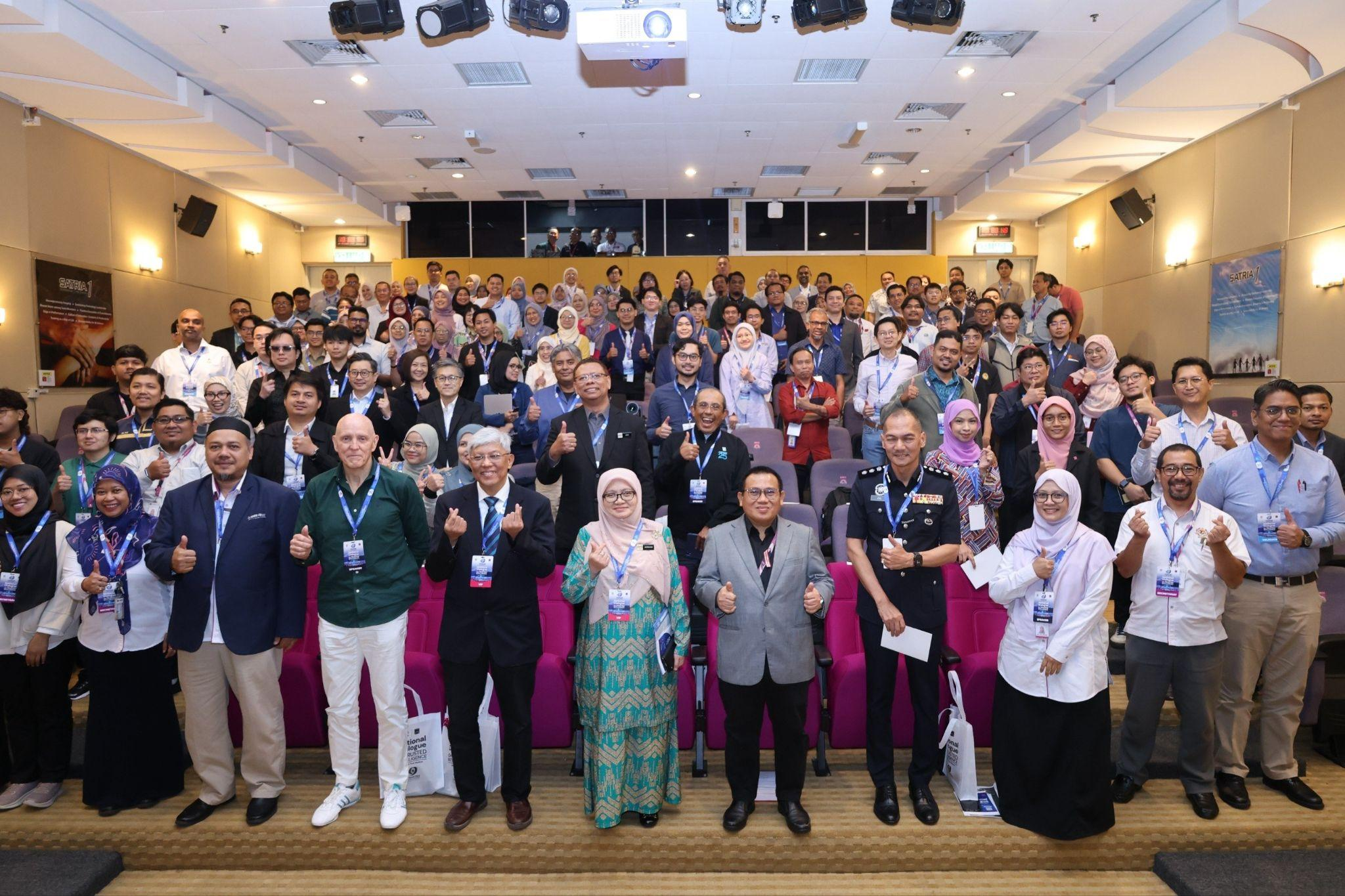
From Malaysia to Indonesia, Thailand and Vietnam, ENI’s Southeast Asia strategy is moving from market outreach to ecosystem co building. The next stage of competition in blockchain infrastructure will not be defined only by performance, narrative or single use cases. It will depend on whether projects can enter real industries, adapt to local regulation, connect institutional resources and form long term value networks within the regional digital economy. With its enterprise technology foundation, global node ecosystem and localized cooperation approach, ENI is helping move Web3 infrastructure from industry concept to commercial practice, while providing new technical support for the next wave of growth in Southeast Asia’s digital economy.


All Comments