

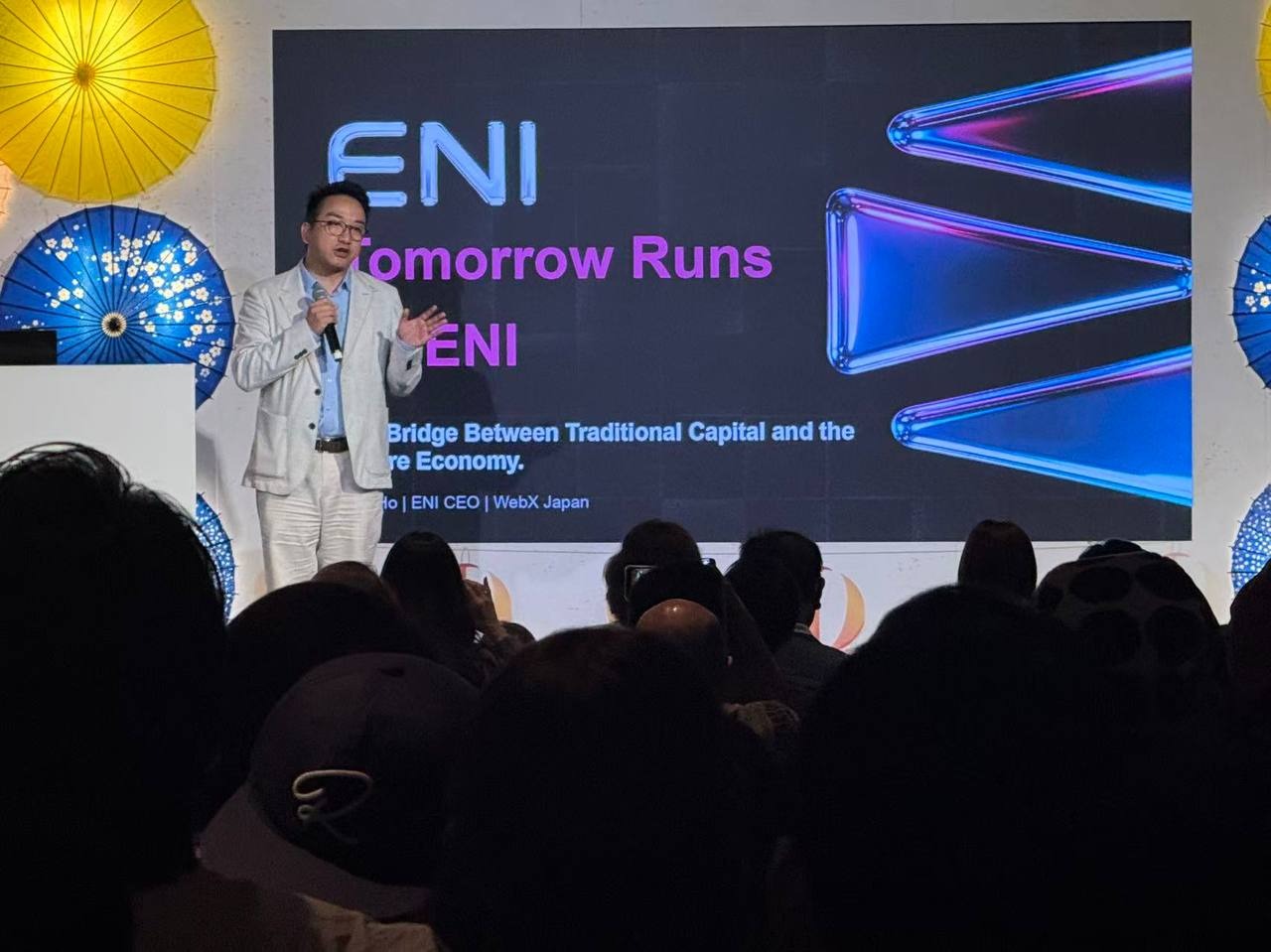
On July 13, Arion Ho, CEO of enterprise modular blockchain ENI Network, took the stage at WebX Japan and delivered a keynote titled “Tomorrow Runs on ENI: The Bridge Between Traditional Capital and the Future Economy.” Drawing on ENI’s progress around the world, he introduced its infrastructure for enterprises and institutions, its supernode network, and new ways for traditional capital to participate in Web3. The atmosphere was lively as industry guests, ecosystem partners, and community members exchanged ideas about enterprise blockchain applications.
ENI Connects Asia’s Growth Markets
Arion reviewed ENI’s regional progress across Asia. ENI strengthened its connections between Japan and Southeast Asia and held discussions shaped by the needs of local industries and institutions.
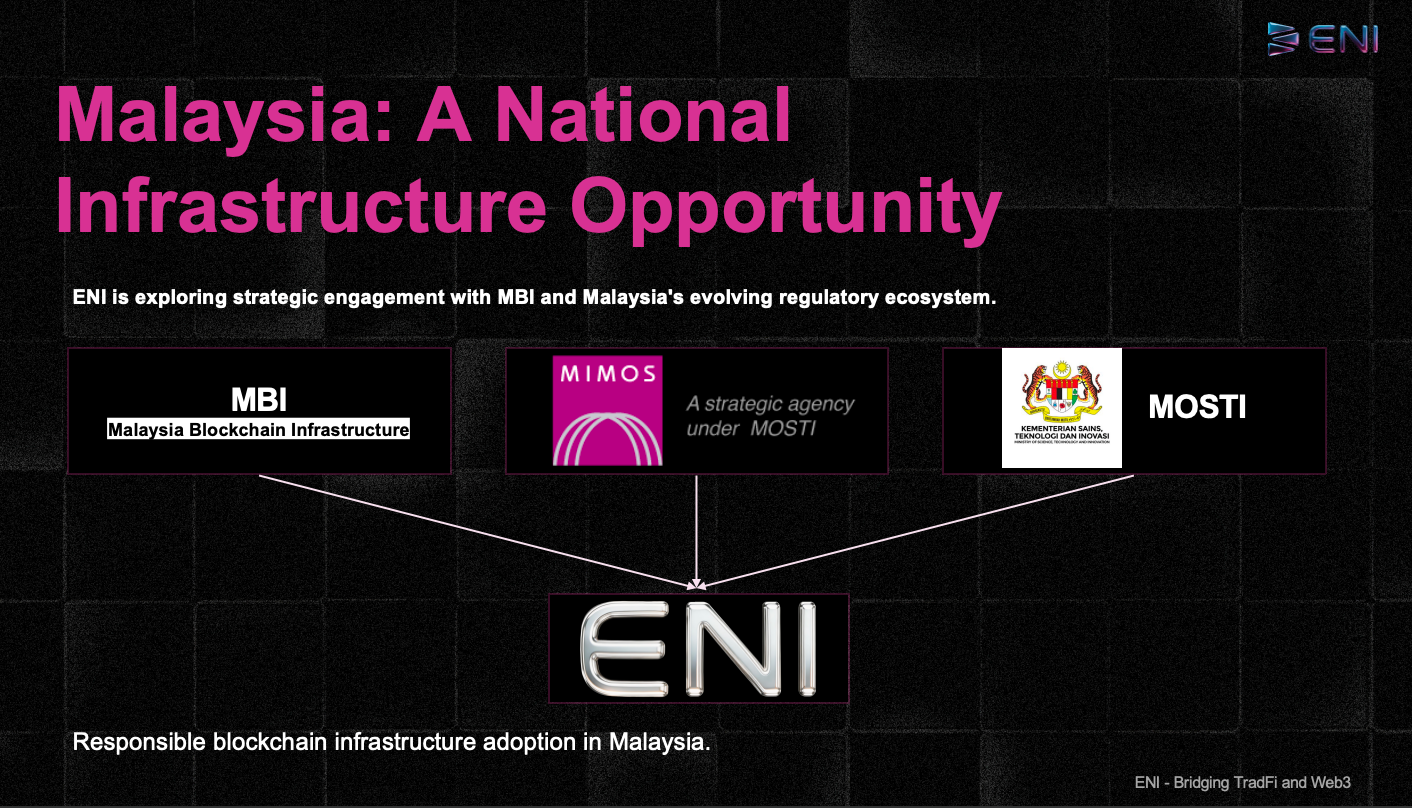
In Malaysia, ENI explored strategic engagement with MBI, Malaysia Blockchain Infrastructure, and the local regulatory ecosystem, with a focus on cross border trade, compliant finance, smart custody, and logistics. In Indonesia, ENI established a regional dialogue with Indivara, a leading technology investment holding group in ASEAN. In Thailand and Vietnam, discussions expanded to family offices, ICT companies, and banks. These developments laid a foundation for ENI to connect enterprises, institutions, and real business activity across Southeast Asia.
The Supernode Network Brings Together Global Institutional Resources
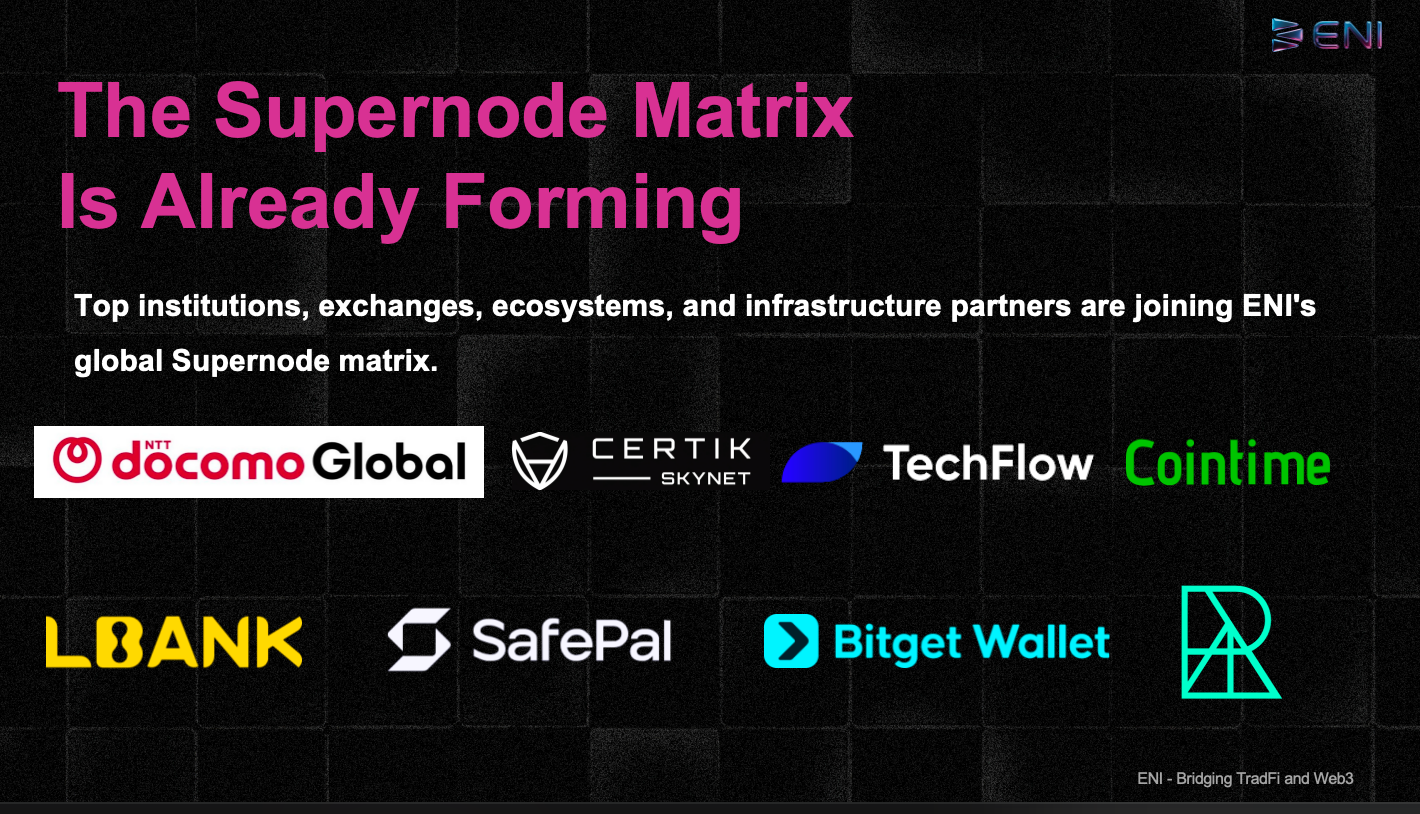
Arion Ho introduced the ENI Supernode Program. Open to institutions, trading platforms, ecosystem organizations, and infrastructure partners worldwide, the program aims to build a Supernode Matrix centered on resources, distribution capabilities, and institutional credibility.
By the time of the event, the network had brought together a diverse group of partners. NTT, a Fortune Global 500 company and a leading Japanese telecommunications provider, contributed deep market knowledge from traditional infrastructure. Blockchain security, audit, and verification organizations such as CertiK strengthened institutional trust. Republic Crypto, a globally recognized Web3 advisory and capital organization, connected ENI with international capital resources. Platforms and wallet applications including LBank, SafePal, Bitget Wallet, and Gate Wallet brought user access, market reach, and liquidity.
Building on the supernode network, ENI launched the ENI Superteam Program on July 12 to deepen coordination between global resources and local markets and accelerate both global and local ecosystem development.
Enterprises are also important participants in the expansion of the ENI ecosystem. Listed companies, banks, telecommunications operators, brands, and institutions bring trust, capital, users, channels, compliance capabilities, and real business activity, helping blockchain infrastructure serve the real economy more effectively. Under the plan, Superteam will work with local enterprises, developers, communities, and ecosystem partners to build collaborative networks and advance ENI’s ecosystem development and practical adoption in global markets.
From One Blockchain to an Integrated System
ENI consists of a mainnet, a Hub, and multiple AppChains. The mainnet handles trust and settlement, the Hub provides connectivity and liquidity, and AppChains support enterprise applications and business execution. Within this structure, capital, users, assets, and business activity can connect through one system.
Arion Ho explained that listed companies could become a new gateway for the public to connect with Web3. When a listed company joins the ENI ecosystem, investors can gain an indirect connection to the ecosystem’s long term growth by holding shares in that company. This offers traditional capital a more familiar path into Web3 and creates more room for ENI to support cross border trade, compliant finance, logistics settlement, and enterprise systems.
Multiple Events Expand ENI’s Presence
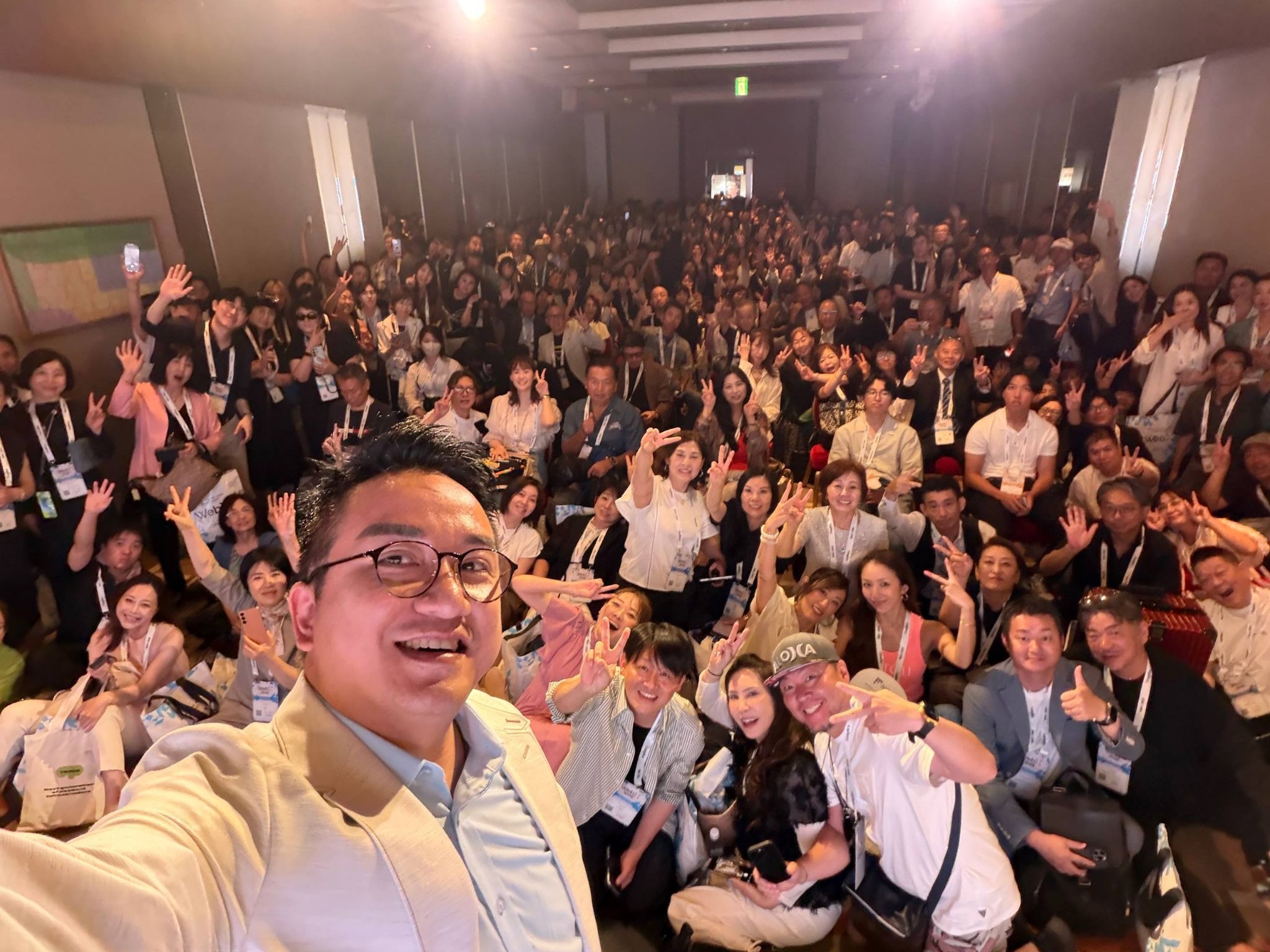
In addition to the WebX keynote, Arion and the ENI team attended ENI Community Night and the NTT Official Joint Event on the evening of July 13.
Both events attracted many industry guests, ecosystem partners, and community members. The NTT Official Joint Event further strengthened ENI’s engagement with NTT, a leading Japanese telecommunications company, and with resources from the traditional technology sector. The conversations were relaxed and energetic, helping ENI meet potential partners and open up new opportunities for collaboration and community growth. The events received a strong response and raised ENI’s visibility in Japan and across Asia.
From partnerships in Southeast Asia and the global supernode network to stronger connections with traditional enterprises and capital markets, ENI is steadily expanding its international reach. The Japan visit showcased ENI’s technology and ecosystem progress while creating new opportunities for meaningful exchange and cooperation. As more enterprises, institutions, and community partners join, ENI will continue building a bridge between the traditional economy and Web3, helping capital, assets, users, and business activity move more smoothly into the future digital economy.


All Comments